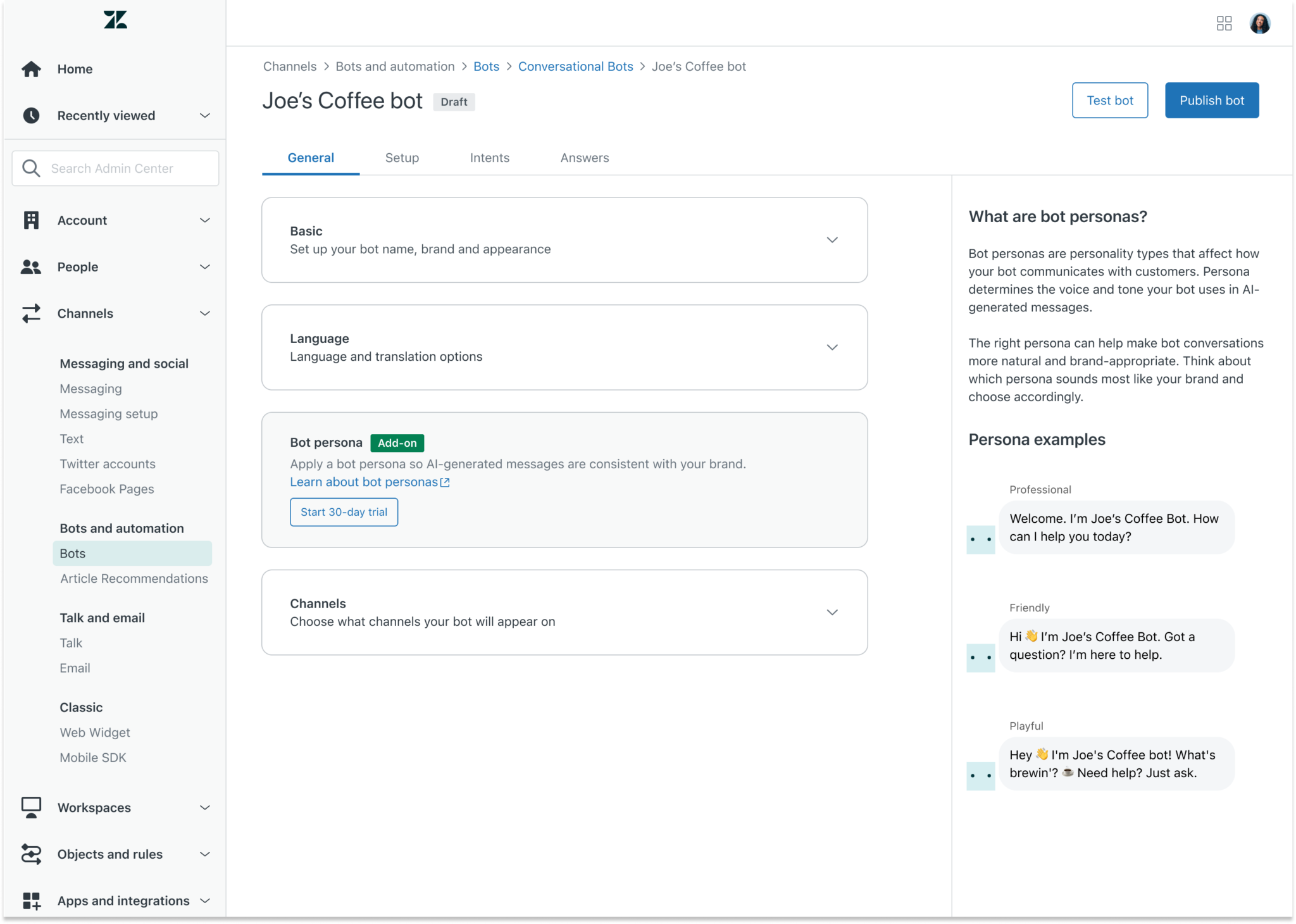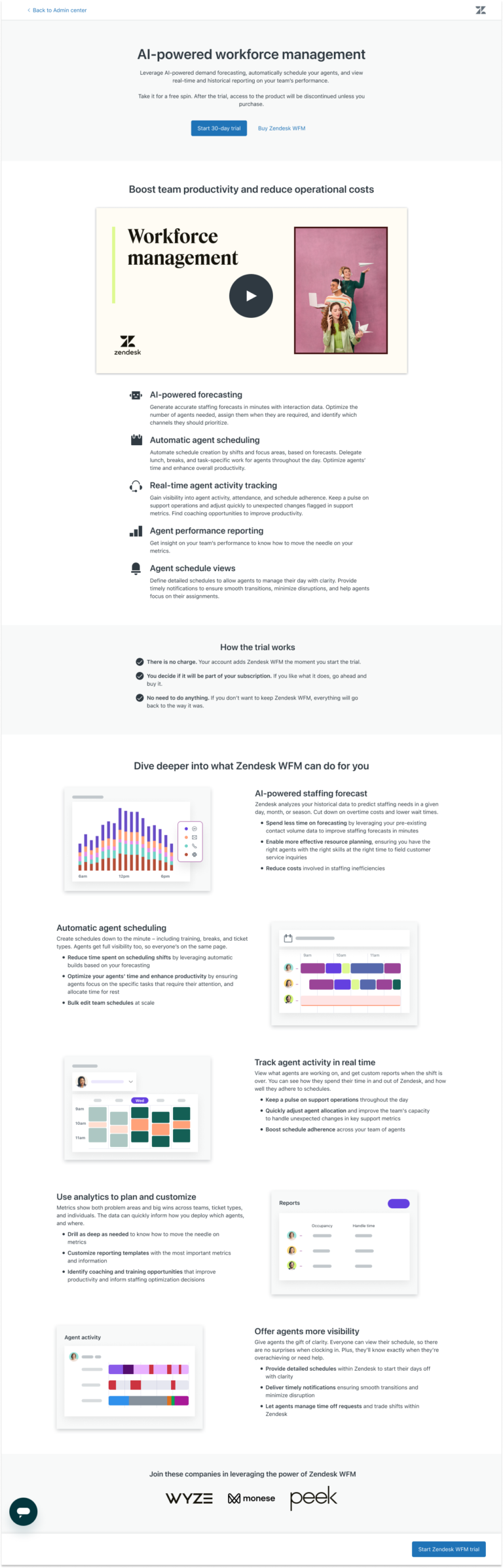
![]() How Boosting was built and scaled
How Boosting was built and scaled
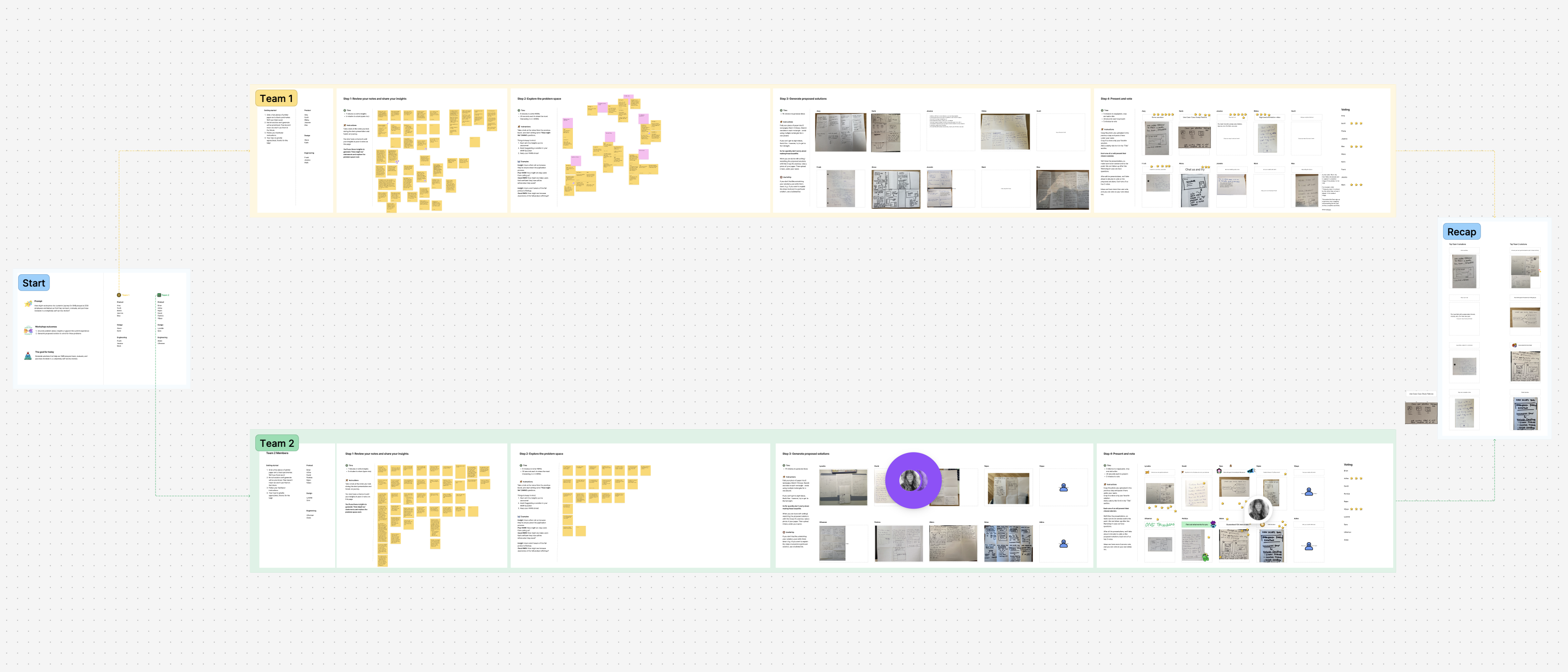
Identifying the problem & running the Design Sprint (late 2021 – early 2022)
Zendesk’s expansion rate was stagnant, and I was tasked with identifying ways to increase revenue through better customer expansion strategies. In December 2021, I led a design sprint with product, engineering, and design, exploring ways to enhance self-service purchasing experiences.
![]() The birth of Boosting (Q1 - Q2 2022)
The birth of Boosting (Q1 - Q2 2022)
One of the key ideas was Customer-Initiated Boosting (CIB)—a self-service trial mechanism allowing customers to test add-ons or higher-tier plans free for 30 days. However, as a design-initiated project in a product-led organization, buy-in was a challenge.
To secure stakeholder commitment, I worked with a senior product designer to quickly prototype Boosting. This visual proof-of-concept persuaded the Director of Product, who assigned a Product Manager to the initiative. After a quick opportunity-sizing exercise from Product, we found Boosting worthy of landing on the Q2 2022 roadmap. Engineering made a full commitment to it, and allocated resources for development.
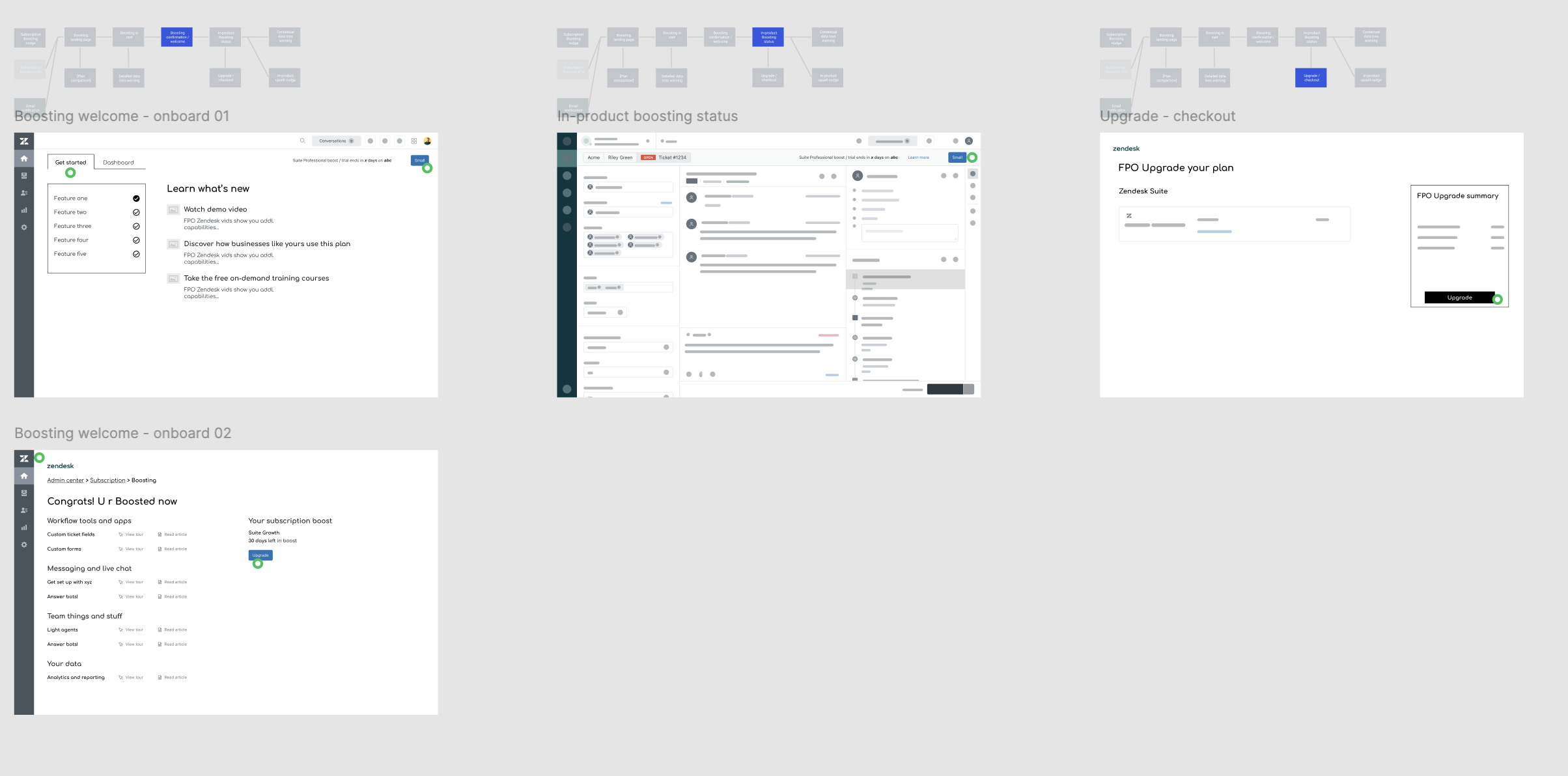
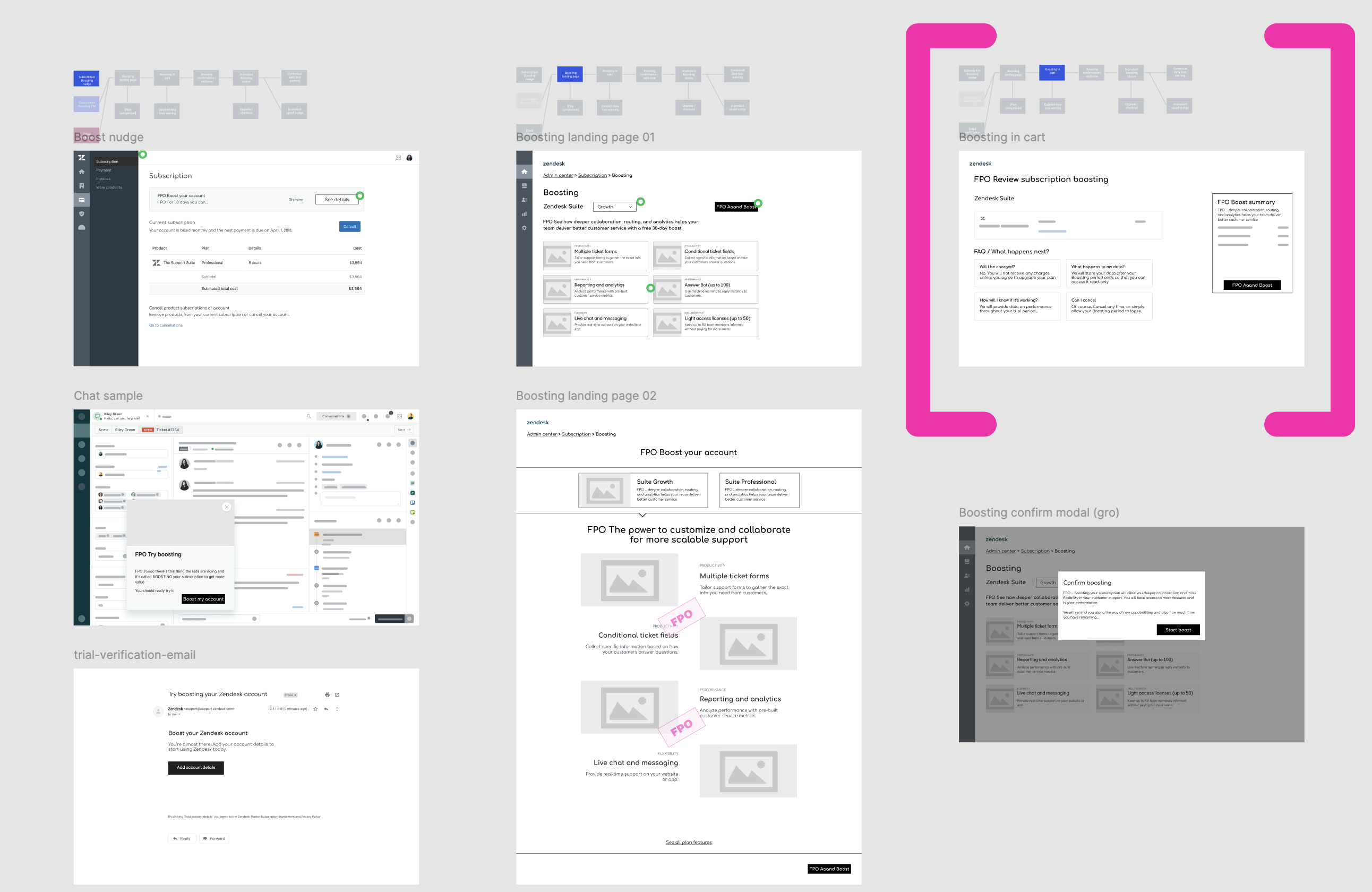
Below: the rough state of Boosting after the Design Sprint.
![]() MVP launch & initial success (Q3 - Q4 2022)
MVP launch & initial success (Q3 - Q4 2022)
After a few design reviews and a round of UX Research, the designs were handed to Engineering.
Boosting launched in August 2022, with early success:
- 28% boost-to-purchase conversion rate.
- $205K Net ARR won in 2022.
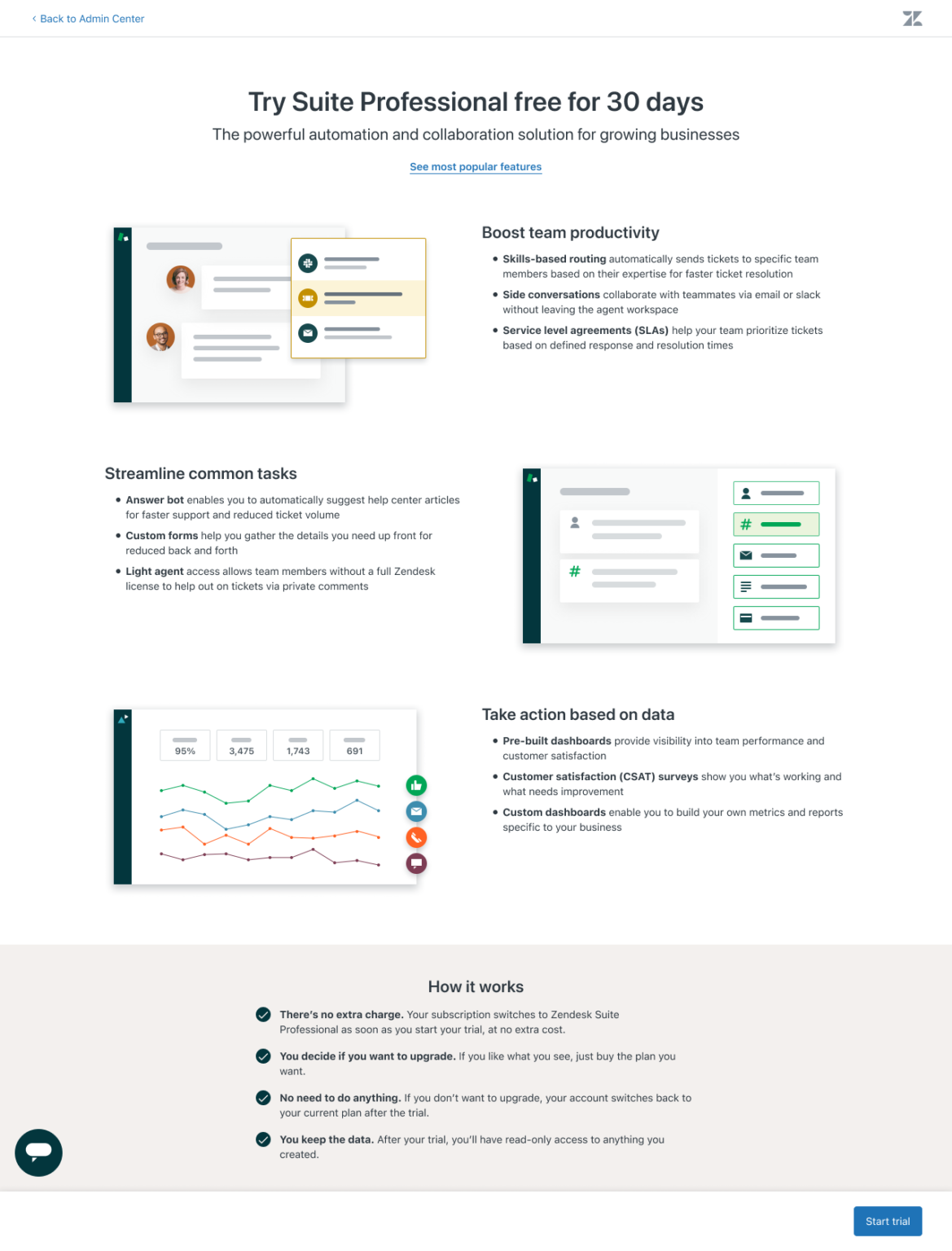
Below: the Boosting MVP experience. This is what we launched initially. Still rough around the edges, design-wise, but it proved its value.

![]() Taking it up a notch (Q1 2023)
Taking it up a notch (Q1 2023)
Despite the success, I pushed for design improvements ahead of expansion. I secured the Product and Eng resources for these iterations ahead of the MVP launch. I aligned with my Directors that we needed to get the experience right before leveraging it for other products. If not, we would carry gaps and friction around, and it would be much harder to iterate on later.
We launched Boosting 1.1 in early 2023, making sure we had:
- More optimized entry points, identifying better customer journey touchpoints and value-driven content.
- Refined Benefits pages with clearer messaging and value proposition.
- Stronger post-boost purchase reminders.
This push contributed to a “sweet” increase in key metrics:
- Higher Boost Adoption. The highest volume of boosts was recorded in Q1 2023, showing improved visibility and entry points.
- Better Post-Boost Follow-Through. Improved reminders helped drive higher purchase completion rates.
Below: improved value-driven entry point. Same location, just more effective.

Below: example of a new, in-context entry point.